
Introduction: Understanding CBD Beyond the Hype
CBD has become one of the most recognized terms in the modern wellness industry.
From online discussions and product labels to scientific research and lifestyle conversations, cannabidiol (CBD) has gained significant attention as more people seek to understand hemp-derived compounds and their role in the broader world of plant science.
However, despite its popularity, CBD is still widely misunderstood.
Some discussions focus heavily on marketing claims, while others focus on scientific research and the chemistry behind the hemp plant. Understanding CBD requires looking beyond simple explanations and exploring the relationship between:
- Hemp biology
- Cannabinoid chemistry
- Scientific research
- Product ingredients
- Responsible wellness education
At Humble CBD, our goal is to provide clear and balanced information that helps readers better understand CBD, hemp science, and the ongoing research surrounding cannabinoids.
What Is CBD?
CBD stands for cannabidiol, a naturally occurring compound found in cannabis plants, including hemp varieties.
CBD belongs to a group of compounds known as cannabinoids.
Cannabinoids are chemical compounds produced naturally by certain cannabis plants. Scientists have identified many cannabinoids, each with different chemical structures and characteristics.
CBD is one of the most widely researched cannabinoids because of its unique properties and its growing presence in scientific discussions and consumer products.
Unlike THC (tetrahydrocannabinol), CBD is not typically associated with the same psychoactive effects commonly connected with cannabis.
However, CBD is still part of a complex plant system containing many different compounds that researchers continue to study.
Understanding Hemp and CBD
To understand CBD, it is important to understand hemp.
Hemp is a variety of the cannabis plant that has been cultivated for thousands of years.
Historically, hemp has been used for:
- Fiber production
- Textiles
- Paper materials
- Industrial applications
- Agricultural purposes
Modern interest in hemp has expanded because of research into naturally occurring compounds, including cannabinoids.
CBD is one compound found within hemp, but it is not the same thing as hemp itself.
Hemp refers to the plant.
CBD refers to one specific cannabinoid produced by that plant.
The Cannabis Plant and Its Natural Compounds
Cannabis is a complex botanical species containing hundreds of naturally occurring compounds.
Researchers study different components of cannabis, including:
- Cannabinoids
- Terpenes
- Flavonoids
- Plant oils
- Other botanical compounds
The combination of these compounds creates the unique chemical profile of different cannabis varieties.
Scientists continue exploring how genetics, cultivation methods, and environmental conditions influence the characteristics of hemp plants.
What Are Cannabinoids?
Cannabinoids are chemical compounds naturally produced by cannabis plants.
They are one of the primary areas of interest in cannabis research.
Some commonly studied cannabinoids include:
- CBD (Cannabidiol)
- THC (Tetrahydrocannabinol)
- CBG (Cannabigerol)
- CBN (Cannabinol)
- CBC (Cannabichromene)
Each cannabinoid has a different chemical structure and is studied independently by researchers.
CBD and THC: Understanding the Difference
CBD and THC are two of the most recognized cannabinoids.
Although they come from the same plant family, they have different characteristics.
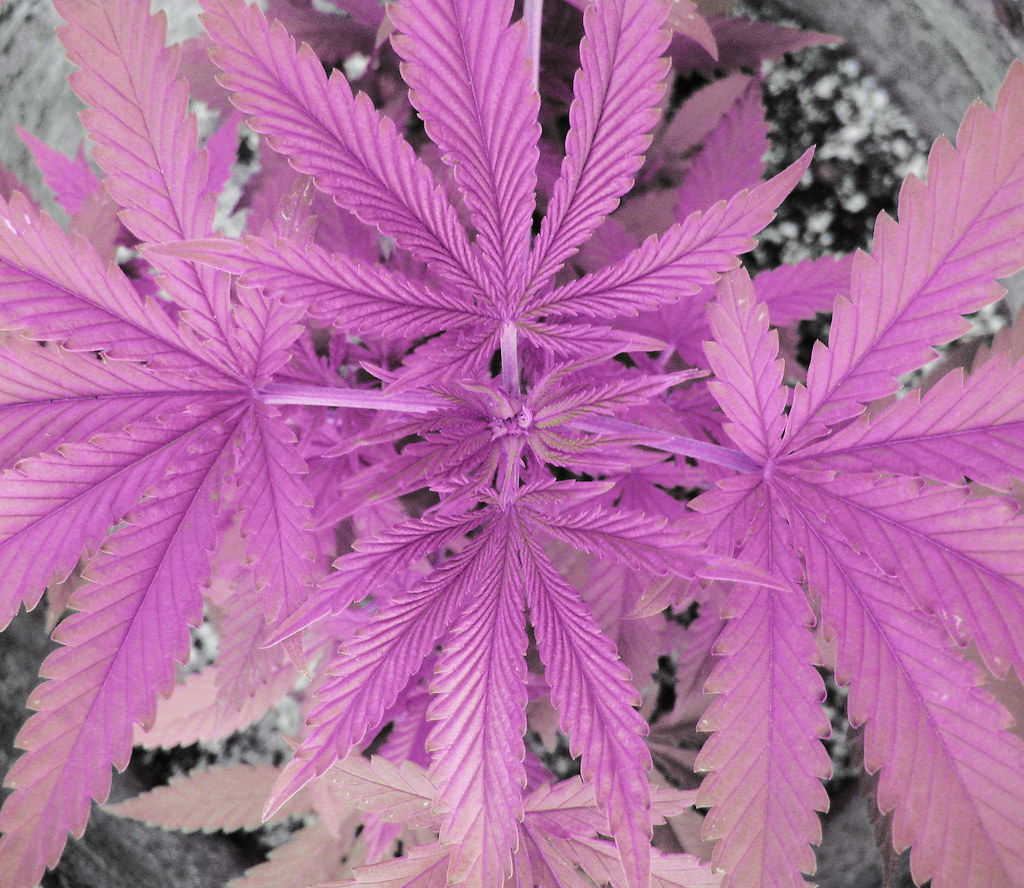
CBD
CBD is commonly studied for its:
- Chemical properties
- Biological interactions
- Relationship with cannabinoid research
- Role in hemp-derived products
THC
THC is another major cannabinoid that has received extensive scientific and regulatory attention.
It is known for its psychoactive properties and is regulated differently depending on location.
Understanding the difference between cannabinoids is important because cannabis is not a single compound. It is a plant containing many different chemical components.
How CBD Is Studied
Scientific research into CBD involves many different methods.
Researchers may examine:
- Chemical composition
- Biological interactions
- Laboratory findings
- Human studies
- Safety considerations
- Product formulations
Scientific understanding develops over time as researchers collect more evidence.
A single study does not always provide a complete picture. Scientists typically examine multiple sources of evidence before drawing broader conclusions.
The Chemistry Behind CBD
CBD has a specific molecular structure that allows researchers to study its properties.
Scientists analyze CBD through fields such as:
- Organic chemistry
- Pharmacology
- Biology
- Molecular science
Understanding the chemistry of CBD helps researchers explore how this compound behaves and interacts within different scientific contexts.
The Role of Terpenes in Hemp
Terpenes are aromatic compounds found in many plants, including hemp.
They contribute to the natural scent and characteristics of plants.
Terpenes are also found in:
- Flowers
- Herbs
- Fruits
- Trees
In hemp research, scientists study terpenes because they contribute to the overall chemical profile of the plant.
Common Hemp Terpenes
Myrcene
Myrcene is a terpene commonly found in cannabis and other botanical sources.
Researchers study myrcene as part of broader investigations into plant chemistry.
Limonene
Limonene is a terpene associated with citrus plants.
Its presence in different plants makes it an interesting subject in botanical research.
Pinene
Pinene is found naturally in pine trees and other plants.
It contributes to the aromatic characteristics of various botanical species.
CBD Product Categories
CBD products may come in different forms depending on their formulation.
Common categories include:
- Oils
- Capsules
- Topical products
- Extracts
- Other hemp-derived formulations
Different products may contain different ingredients and concentrations.
Understanding product labels is an important part of responsible CBD education.
Understanding CBD Labels
CBD labels may include information about:
- Cannabinoid content
- Ingredients
- Extraction methods
- Product formulation
- Testing information
Learning how to interpret labels helps readers better understand what information is being presented.
The Importance of Ingredient Transparency
Transparency is an important part of consumer education.
Clear ingredient information can help people understand:
- What compounds are included
- How products are formulated
- What testing information is available
- How manufacturers describe their products
Reliable information allows readers to make more informed decisions.
Third-Party Testing and Quality Information
Some CBD companies use independent laboratories to evaluate their products.
Testing may examine:
- Cannabinoid levels
- Product consistency
- Ingredient accuracy
- Potential contaminants
Testing practices can vary between companies, so understanding available documentation is important.
CBD Research and Modern Science
Research into CBD continues expanding.
Scientists explore CBD through different disciplines, including:
Plant Science
Researchers study:
- Hemp genetics
- Plant development
- Cultivation methods
Chemistry
Scientists examine:
- Cannabinoid structures
- Plant compounds
- Extraction processes
Biological Research
Researchers investigate:
- Cannabinoid interactions
- Biological systems
- Scientific mechanisms
Common Misconceptions About CBD
CBD and Hemp Are the Same Thing
Although CBD is often extracted from hemp, they are different.
Hemp is the plant.
CBD is a compound produced by the plant.
Natural Means Completely Understood
Natural compounds can still be scientifically complex.
Researchers continue studying many plant-based compounds to better understand their characteristics.
CBD Research Is Finished
CBD research is ongoing.
Scientists continue exploring unanswered questions and discovering new information.
CBD and Responsible Wellness
Wellness information should always be approached carefully.
Responsible CBD awareness involves:
- Understanding research
- Reviewing product information
- Recognizing limitations
- Avoiding exaggerated claims
- Considering personal circumstances
Education helps create more informed conversations about CBD.
The Future of CBD Research
The future of CBD research continues developing as scientists explore new areas.
Future studies may provide additional information about:
- Hemp genetics
- Cannabinoid chemistry
- Product innovation
- Agricultural practices
- Botanical science
As research grows, understanding of CBD will continue evolving.
Why CBD Education Matters
CBD has become an important topic at the intersection of:
- Plant science
- Research
- Wellness
- Agriculture
- Consumer education
A better understanding of CBD allows people to look beyond simple claims and explore the science behind hemp-derived compounds.
Education creates a stronger foundation for responsible discussions.
Conclusion: Understanding CBD Through Science and Awareness
CBD represents one of the most studied and discussed compounds within modern hemp science.
Understanding CBD requires looking at the bigger picture:
- The hemp plant
- Cannabinoid chemistry
- Scientific research
- Product information
- Responsible awareness
At Humble CBD, our mission is to provide clear, balanced, and educational information that helps readers better understand cannabidiol and the evolving world of hemp wellness.
As research continues, our understanding of CBD will continue to grow.
Wade Payne
Wade Payne writes for Humble CBD, covering CBD education, hemp science, cannabinoid research, natural ingredients, and plant-based wellness topics. His goal is to provide clear and balanced information that helps readers better understand CBD, hemp, and the science behind cannabinoids.