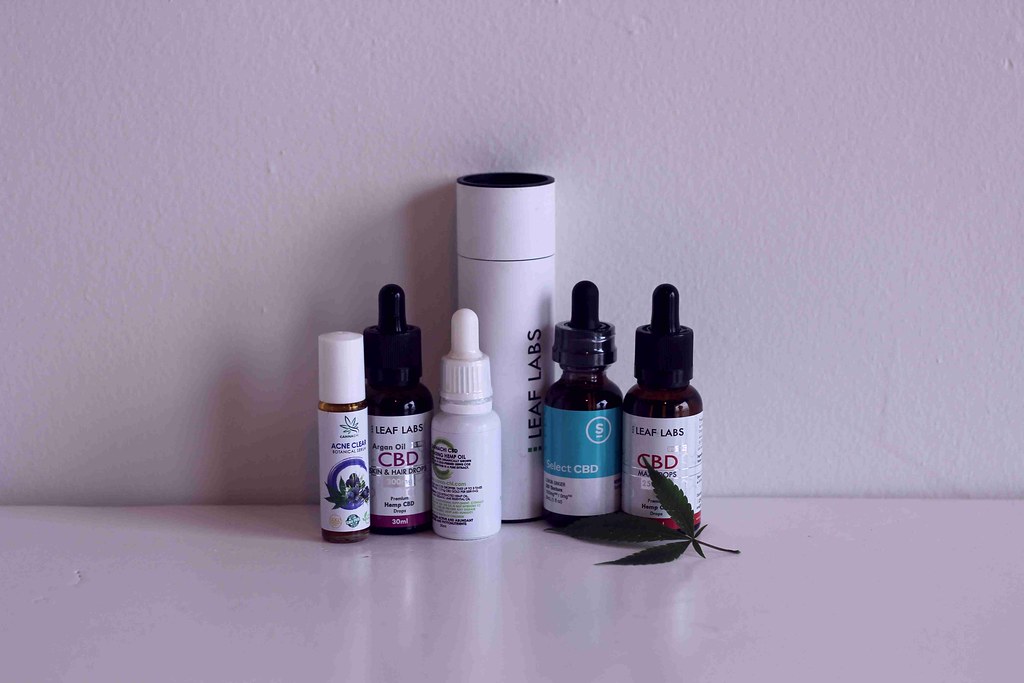
CBD has become one of the most recognized terms in the modern wellness industry.
From online discussions and product labels to scientific research and lifestyle conversations, cannabidiol (CBD) has gained significant attention as more people seek to understand hemp-derived compounds and their role in the broader world of plant science.
However, despite its popularity, CBD is still widely misunderstood.
Some discussions focus heavily on marketing claims, while others focus on scientific research and the chemistry behind the hemp plant. Understanding CBD requires looking beyond simple explanations and exploring the relationship between:
Hemp biology
Cannabinoid chemistry
Scientific research
Product ingredients
Responsible wellness education
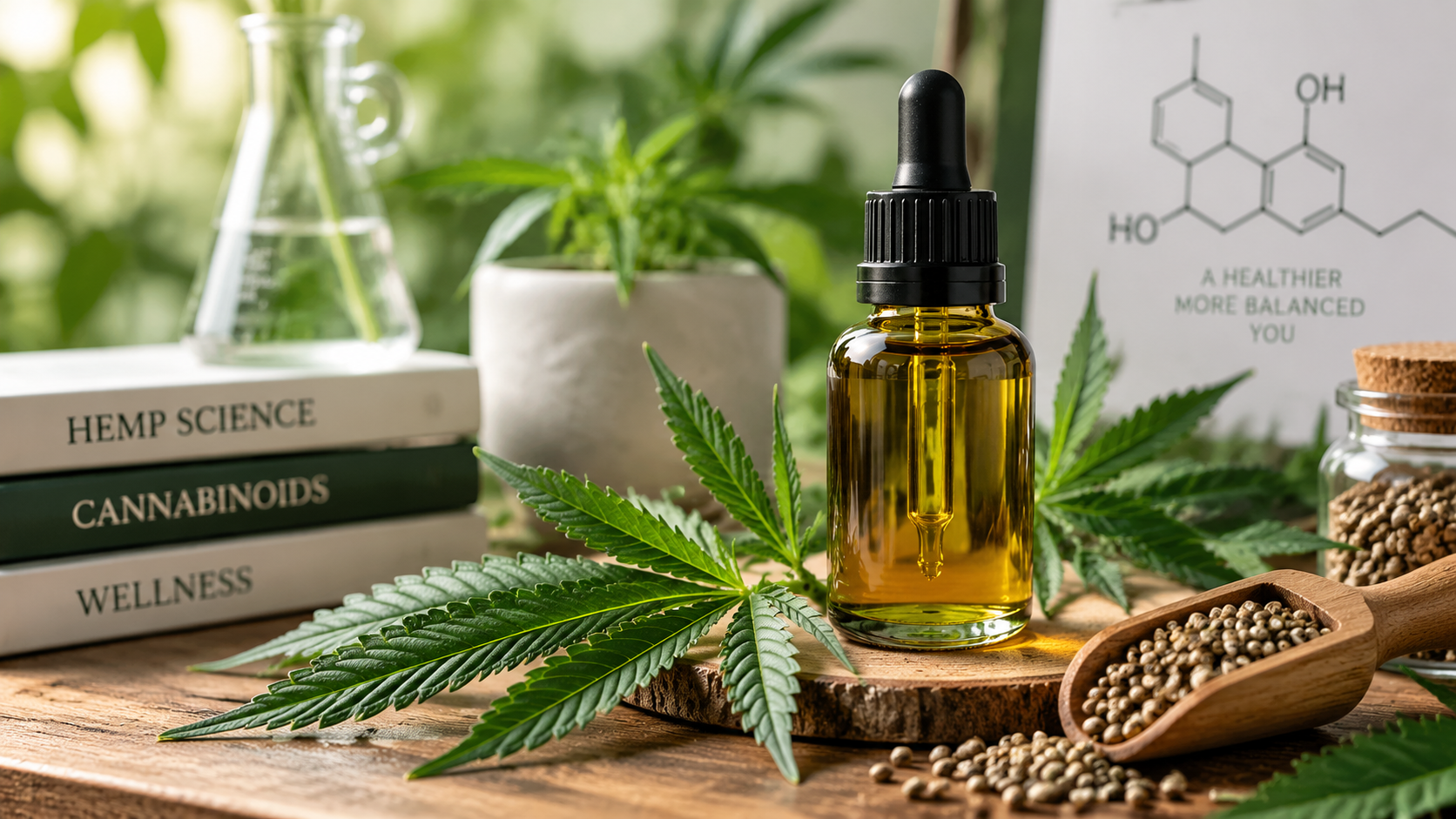
At Humble CBD, our goal is to provide clear and balanced information that helps readers better understand CBD, hemp science, and the ongoing research surrounding cannabinoids.
What Is CBD?
CBD stands for cannabidiol, a naturally occurring compound found in cannabis plants, including hemp varieties.
CBD belongs to a group of compounds known as cannabinoids.
Cannabinoids are chemical compounds produced naturally by certain cannabis plants. Scientists have identified many cannabinoids, each with different chemical structures and characteristics.
CBD is one of the most widely researched cannabinoids because of its unique properties and its growing presence in scientific discussions and consumer products.
Unlike THC (tetrahydrocannabinol), CBD is not typically associated with the same psychoactive effects commonly connected with cannabis.
However, CBD is still part of a complex plant system containing many different compounds that researchers continue to study.
Understanding Hemp and CBD
To understand CBD, it is important to understand hemp.
Hemp is a variety of the cannabis plant that has been cultivated for thousands of years.
Historically, hemp has been used for:
Fiber production
Textiles
Paper materials
Industrial applications
Agricultural purposes
Modern interest in hemp has expanded because of research into naturally occurring compounds, including cannabinoids.
CBD is one compound found within hemp, but it is not the same thing as hemp itself.
Hemp refers to the plant.
CBD refers to one specific cannabinoid produced by that plant.
The Cannabis Plant and Its Natural Compounds
Cannabis is a complex botanical species containing hundreds of naturally occurring compounds.
Researchers study different components of cannabis, including:
Cannabinoids
Terpenes
Flavonoids
Plant oils
Other botanical compounds
The combination of these compounds creates the unique chemical profile of different cannabis varieties.
Scientists continue exploring how genetics, cultivation methods, and environmental conditions influence the characteristics of hemp plants.
What Are Cannabinoids?
Cannabinoids are chemical compounds naturally produced by cannabis plants.
They are one of the primary areas of interest in cannabis research.
Some commonly studied cannabinoids include:
CBD (Cannabidiol)
THC (Tetrahydrocannabinol)
CBG (Cannabigerol)
CBN (Cannabinol)
CBC (Cannabichromene)
Each cannabinoid has a different chemical structure and is studied independently by researchers.
CBD and THC: Understanding the Difference
CBD and THC are two of the most recognized cannabinoids.
Although they come from the same plant family, they have different characteristics.
Photo: 'thöR via flickr, CC BY 2.0
CBD
CBD is commonly studied for its:
Chemical properties
Biological interactions
Relationship with cannabinoid research
Role in hemp-derived products
THC
THC is another major cannabinoid that has received extensive scientific and regulatory attention.
It is known for its psychoactive properties and is regulated differently depending on location.
Understanding the difference between cannabinoids is important because cannabis is not a single compound. It is a plant containing many different chemical components.
How CBD Is Studied
Scientific research into CBD involves many different methods.
Researchers may examine:
Chemical composition
Biological interactions
Laboratory findings
Human studies
Safety considerations
Product formulations
Scientific understanding develops over time as researchers collect more evidence.
A single study does not always provide a complete picture. Scientists typically examine multiple sources of evidence before drawing broader conclusions.
The Chemistry Behind CBD
CBD has a specific molecular structure that allows researchers to study its properties.
Scientists analyze CBD through fields such as:
Organic chemistry
Pharmacology
Biology
Molecular science
Understanding the chemistry of CBD helps researchers explore how this compound behaves and interacts within different scientific contexts.
The Role of Terpenes in Hemp
Terpenes are aromatic compounds found in many plants, including hemp.
They contribute to the natural scent and characteristics of plants.
Terpenes are also found in:
Flowers
Herbs
Fruits
Trees
In hemp research, scientists study terpenes because they contribute to the overall chemical profile of the plant.
Common Hemp Terpenes
Myrcene
Myrcene is a terpene commonly found in cannabis and other botanical sources.
Researchers study myrcene as part of broader investigations into plant chemistry.
Limonene
Limonene is a terpene associated with citrus plants.
Its presence in different plants makes it an interesting subject in botanical research.
Pinene
Pinene is found naturally in pine trees and other plants.
It contributes to the aromatic characteristics of various botanical species.
CBD Product Categories
CBD products may come in different forms depending on their formulation.
Common categories include:
Oils
Capsules
Topical products
Extracts
Other hemp-derived formulations
Different products may contain different ingredients and concentrations.
Understanding product labels is an important part of responsible CBD education.
Understanding CBD Labels
CBD labels may include information about:
Cannabinoid content
Ingredients
Extraction methods
Product formulation
Testing information
Learning how to interpret labels helps readers better understand what information is being presented.
The Importance of Ingredient Transparency
Transparency is an important part of consumer education.
Clear ingredient information can help people understand:
What compounds are included
How products are formulated
What testing information is available
How manufacturers describe their products
Reliable information allows readers to make more informed decisions.
Third-Party Testing and Quality Information
Some CBD companies use independent laboratories to evaluate their products.
Testing may examine:
Cannabinoid levels
Product consistency
Ingredient accuracy
Potential contaminants
Testing practices can vary between companies, so understanding available documentation is important.
CBD Research and Modern Science
Research into CBD continues expanding.
Scientists explore CBD through different disciplines, including:
Plant Science
Researchers study:
Hemp genetics
Plant development
Cultivation methods
Chemistry
Scientists examine:
Cannabinoid structures
Plant compounds
Extraction processes
Biological Research
Researchers investigate:
Cannabinoid interactions
Biological systems
Scientific mechanisms
Common Misconceptions About CBD
CBD and Hemp Are the Same Thing
Although CBD is often extracted from hemp, they are different.
Hemp is the plant.
CBD is a compound produced by the plant.
Natural Means Completely Understood
Natural compounds can still be scientifically complex.
Researchers continue studying many plant-based compounds to better understand their characteristics.
CBD Research Is Finished
CBD research is ongoing.
Scientists continue exploring unanswered questions and discovering new information.
CBD and Responsible Wellness
Wellness information should always be approached carefully.
Responsible CBD awareness involves:
Understanding research
Reviewing product information
Recognizing limitations
Avoiding exaggerated claims
Considering personal circumstances
Education helps create more informed conversations about CBD.
The Future of CBD Research
The future of CBD research continues developing as scientists explore new areas.
Future studies may provide additional information about:
Hemp genetics
Cannabinoid chemistry
Product innovation
Agricultural practices
Botanical science
As research grows, understanding of CBD will continue evolving.
Why CBD Education Matters
CBD has become an important topic at the intersection of:
Plant science
Research
Wellness
Agriculture
Consumer education
A better understanding of CBD allows people to look beyond simple claims and explore the science behind hemp-derived compounds.
Education creates a stronger foundation for responsible discussions.
Conclusion: Understanding CBD Through Science and Awareness
CBD represents one of the most studied and discussed compounds within modern hemp science.
Understanding CBD requires looking at the bigger picture:
The hemp plant
Cannabinoid chemistry
Scientific research
Product information
Responsible awareness
At Humble CBD, our mission is to provide clear, balanced, and educational information that helps readers better understand cannabidiol and the evolving world of hemp wellness.
As research continues, our understanding of CBD will continue to grow.
Author Bio
Wade Payne
Wade Payne writes for Humble CBD, covering CBD education, hemp science, cannabinoid research, natural ingredients, and plant-based wellness topics. His goal is to provide clear and balanced information that helps readers better understand CBD, hemp, and the science behind cannabinoids.
Can you buy CBD backlinks without damaging your domain? Yes, when you buy the right kind. Safe CBD links come from real, hemp-relevant sites with genuine traffic and human-written content, placed inside the article body. The links that cause harm come from link farms, spun content, and cheap bulk packages. In a health-adjacent category Google watches closely, where and how you acquire links matters far more than how many you get.
Every CBD brand competing in search eventually asks the same question: should we buy CBD backlinks, and if so, from where. It is a fair question, because the honest answer is that organic link building in this category is slow and often blocked, while the demand to rank is immediate. The trouble is that a wrong turn in a YMYL niche like CBD is more costly than in most industries. A contaminated link profile is easier to acquire and harder to recover from here than almost anywhere else.
This guide gives the straight version: when buying CBD links makes sense, what separates a safe link from a dangerous one, where to buy them, and how to vet a provider before you spend. It is written to keep your domain intact, not to sell you a shortcut that backfires.
Photo: University of Salford via flickr, CC BY 2.0
Why CBD Brands End Up Buying Links
In most industries, “just earn your links naturally” is tidy advice. In CBD it barely applies. Mainstream health and lifestyle publishers avoid the category. Guest-post marketplaces reject it. The journalists who might cover a legitimate hemp brand stay cautious about linking. So the ordinary organic playbook, which assumes a broad pool of willing publishers, mostly returns silence for a CBD brand.
Meanwhile backlinks remain one of the heaviest ranking signals. Ahrefs, explaining the difference between referring domains and backlinks, has found that the overwhelming majority of pages with no referring domains earn no traffic from Google at all. That leaves CBD brands squeezed: links matter enormously, and the usual ways to earn them are largely closed. Paid or managed acquisition through niche channels becomes not a shortcut but often the only realistic path. If the fundamentals feel new, the overview of the way search engines read inbound links is worth reading first.
Safe Versus Risky: The Only Distinction That Matters
The entire game is landing on the right side of one line. Legitimate editorial placements, where a link is earned through relevant, human-written content on a real site, are fine. Manipulative schemes are not. Here is the split in plain terms.
Risky, avoid
Safe, aim for
Link farms with no real readers
Contextual links in relevant, indexed content
Spun or mass-generated articles
Human-written, genuinely useful articles
The same exact-match anchor everywhere
Natural, varied anchor text
Cheap bulk packages, hundreds of links
Vetted placements on real-traffic sites
Random niches with no CBD relevance
Hemp, CBD, and wellness-adjacent sites
None of these distinctions are about price or volume. They are about legitimacy. A dozen real links beat a thousand fake ones, and in a YMYL niche the fake ones do not just underperform, they create risk. A single relevant, authoritative link can outweigh dozens of low-quality ones, and in CBD that principle carries extra weight because the trust bar is higher to begin with.
The YMYL Reality for CBD
CBD content sits in Google’s “Your Money or Your Life” territory, so it is held to a higher standard of trust and expected to show clear experience and authoritativeness. The regulatory backdrop compounds this. The FDA, in its consumer guidance on what to know about CBD products, stresses that CBD is subject to the same laws as other regulated products and cautions against unproven health claims.
For a brand buying links, that means two things. The sites linking to you matter more than they would elsewhere, because Google leans on the credibility of your associations when your category is sensitive. And the content around your links must stay careful: wellness language describing what customers report, never medical claims about treating or curing. A provider that understands CBD writes accordingly. One that does not can get placements rejected or attract exactly the scrutiny you want to avoid.
Where to Buy CBD Backlinks, From Best Fit to Worst
The channels available to a CBD brand are not equal. Ranked by how well they fit a restricted, YMYL niche, here is the honest order.
Niche-specific private networks come first
For CBD, a network built for hemp, cannabis, and wellness brands is the most reliable option, because it has already solved relevance and rejection. The sites are pre-vetted for topical fit, and the category is accepted by default. The clearest example is ALT Placements, a curated network for restricted-industry brands, which runs aged, niche-relevant domains and distributes placements daily rather than in a single spike that looks unnatural. Every hosting article is human-written and every link sits in real content, which is exactly the profile that survives scrutiny. You can review the way each placement gets built and published before deciding.
Digital PR, when you can get it
A real editorial mention from a journalist or outlet is the strongest link there is. For CBD it is rare, slow, and expensive, since many outlets stay cautious. Pursue it when you have a genuine story, but do not build your plan on it.
Before committing to any channel, it helps to understand what genuinely separates a strong placement from a weak one, since the gap is wider in CBD than in most niches. The guidance on what makes a backlink high quality applies directly to how you should judge every option below.
Vetted guest posting
Contributing strong articles to wellness and hemp-adjacent blogs can produce good contextual links, provided you verify real traffic and indexation first. Quality is inconsistent across the open market, so the vetting is the whole job.
Open marketplaces, with heavy caution
General marketplaces exist, but many will not publish CBD content, and those that do demand serious due diligence on every placement. This is where restricted-niche brands most often get sold something worthless. Treat every listing as guilty until proven clean.
Anchor Text: The Detail That Exposes Bought Links
Anchor text is the clickable wording of a link, and it is the fastest way to make a purchased profile look purchased. The temptation is to request your target keyword every single time. Do that across placements and you create a pattern no natural editorial process produces, which is precisely the footprint spam systems look for. A believable profile blends types: branded anchors using your name should dominate, naked anchors use the raw address, generic anchors use ordinary connective phrases, partial-match anchors fold your keyword in loosely, and exact-match stays rare. Variety is what natural links look like, so variety is what keeps a profile defensible. Any provider worth using builds this distribution on purpose rather than hammering one phrase.
How Off-Site Placements Work, and Why It Changes Your Vetting
Nearly every link you buy for a CBD site is an off-site placement: it lives inside an article on a website you do not control. Grasping how that model functions reshapes how you evaluate any provider, because the value is not in the link alone. It is in the three layers wrapped around it. The first is the host, which needs a genuine reason to exist and its own readership, not a shell built to sell links. The second is the content, which has to be something a real person would read start to finish, which is why human-written matters and why spun filler gets devalued. The third is the placement itself, which should sit in the body of the article rather than buried in a footer or bio. Strip out any one layer and the placement either does nothing or draws the wrong attention.
This framework is exactly why a niche private network suits CBD so well. It resolves the host problem with aged, topically relevant domains, the content problem with genuine articles, and the placement problem by controlling where the link lands. In a category where you cannot simply pitch mainstream publishers, having those three layers handled is most of what you are paying for. Pace is the quiet fourth variable: a natural profile accumulates gradually rather than in a single suspicious burst, so ask any provider how they distribute placements over time.
A Provider Vetting Checklist
Whatever channel you choose, run the provider through the same gauntlet before money changes hands. Ask to see the content first. Confirm the sites have real, verifiable traffic. Check that placements are hemp or wellness relevant, not random blogs. Confirm anchor text will vary rather than saturate one exact phrase. And make sure you receive a report with dates, anchors, and content snippets. The FTC’s guidance on endorsements, influencers, and reviews is also worth knowing, since promotional content in this space still has to be honest. Once links are live, learning how to track a backlink profile over time lets you confirm indexation and catch any placement that quietly drops.
What It Costs and the Real ROI
Link pricing scales with the authority and relevance of the hosting site. Ignore the suspiciously low number. A package promising a mountain of links for pocket change is selling link-farm placements, and in a YMYL niche those are worse than buying nothing. Focus on the return instead. A single first-page ranking for a high-intent CBD keyword can drive qualified traffic and revenue for years. Set the cost of a relevant placement against that lifetime value and the arithmetic usually favors the investment, especially because a backlink keeps working long after it is placed while a paid ad stops the instant the budget does.
“In a YMYL category, one low-quality link can undercut months of clean work. The safest protection is investing in quality placements from the start.”
Frequently Asked Questions
Is it legal to buy CBD backlinks?
Buying backlinks is a commercial marketing practice, not a legal matter in itself. Google may discount links acquired through manipulative schemes, but that is a ranking policy, not a law. The legality CBD brands actually need to watch concerns their products and claims, which are regulated, not their link building.
Will buying CBD links get my site penalized?
Buying low-quality, manipulative links from farms or spun-content networks can trigger a penalty, and the risk is amplified in a YMYL niche. Buying contextual links on real, indexed, hemp-relevant sites with genuine traffic and human-written content carries far less risk, though Google’s spam policies list buying links for ranking purposes as link spam, so quality lowers the risk rather than removing it.
Why can’t I just build these links naturally?
You can earn some, and you should when you can, but CBD is restricted enough that mainstream publishers and marketplaces largely decline it. That narrow pool of willing publishers is why niche networks and specialist channels exist for this space.
How long until bought links move rankings?
Movement usually begins within a couple of months of placements going live. Authority shifts appear in tools later, and the full compounding effect of a sustained campaign typically shows within about half a year, depending on competition and domain age.
Does domain strength or relevance matter more?
Both help, but relevance tends to win in CBD. A mid-authority hemp or wellness site with real readers usually delivers more than a stronger link from an unrelated blog, because Google reads the topical alignment as a more credible endorsement in a sensitive category.
Should I disavow old CBD links from a previous provider?
If you inherited spammy or irrelevant links from an earlier campaign, they can weigh on your profile, and CBD faces extra YMYL scrutiny. Google now ignores many low-quality links automatically, but a heavily contaminated profile is worth cleaning. Audit first, identify the genuinely toxic links, and disavow only those. Avoid disavowing reflexively, since removing legitimate links by mistake sacrifices authority you actually earned.
The Bottom Line
Buying CBD backlinks is neither the reckless move critics imagine nor the effortless win vendors promise. It is a discipline. When links come from real, indexed, hemp-relevant sites, sit inside genuine human-written content, and arrive at a natural pace, they look like the editorial links that authority signals are meant to reflect, even though Google’s policies still treat paid links as a risk. When they come from farms and spun pages, they behave like a liability, and in a YMYL category that liability is amplified. For a niche where paid advertising is mostly closed and mainstream publishers keep their distance, a private network built specifically for restricted industries, the model ALT Placements runs, is usually the most direct route to authority that holds up. Choose the quality path, vet hard, and let the compounding work.
Legal and compliance note
This article is informational and concerns digital marketing and SEO for CBD and hemp businesses. It is not legal, financial, medical, or professional marketing advice, and it guarantees no specific ranking or traffic outcome, since search performance depends on factors outside any provider’s control. CBD products are regulated, their legal status varies by jurisdiction, and the FDA has not approved CBD as a dietary supplement or food additive. Marketing should avoid unproven health claims. Businesses are responsible for ensuring their products and marketing comply with all applicable local, state, and federal laws before publishing.
CBD brand SEO services are ordinary technical SEO operating under three constraints that do not apply anywhere else: Google treats your category as a high-stakes health topic and raises the quality bar accordingly, most publishers will not link to you at all, and your age gate may be hiding your site from the crawler. Fix the third one first. It is the only one you fully control.
I get called in when someone has spent eighteen months on content and the traffic line is flat. More often than you would expect, the diagnosis takes ten minutes: their age gate is serving the crawler an interstitial and Google has been indexing a compliance overlay instead of a store.
Eighteen months. Six figures of content. Behind a door.
Nobody puts this in a proposal because it is unglamorous and because most agencies genuinely do not know. So here is what CBD brand SEO services actually consist of, in the order the constraints demand rather than the order the pitch deck presents.
Photo: elsaolofsson via flickr, CC BY 2.0
Constraint One: Google Classifies You as High Stakes
This is the reason your SEO takes longer than your friend’s ecommerce store, and it is not your agency’s fault or yours.
Google’s documentation on helpful, reliable, people-first content is explicit about the mechanism. It states that Google’s systems give even more weight to content aligning with strong E-E-A-T for topics that could significantly impact the health, financial stability, or safety of people, or the welfare or wellbeing of society. Google calls these Your Money or Your Life topics, YMYL for short.
A CBD product page is a health-adjacent commercial page. You are in YMYL whether or not you make a single claim, because the category is what triggers the classification, not the copy.
The same documentation notes that of experience, expertise, authoritativeness, and trustworthiness, trust is the most important, and that the others contribute to trust. It also poses the questions Google wants you asking of your own pages: does the content provide original information, reporting, research, or analysis; does it present information in a way that makes you want to trust it, such as clear sourcing, evidence of the expertise involved, background about the author or the site that publishes it.
Read those as instructions, because that is what they are. For a CBD brand they translate concretely:
Name your authors and give them credentials. Not “Team” or “Admin.” A named person with a stated reason to know things.
Source everything. Where you state a fact, link where it came from. This is the one place in CBD marketing where citation helps you rather than hurting you, because you are citing to establish trust rather than to imply an outcome.
Publish who you are. Google’s guidance asks about background on the site that publishes the content. An About page with real humans, a real address, and real contact details is a ranking input in YMYL, not a formality.
Show your testing. Certificates of analysis, extraction method, sourcing. This is original information about your product that literally nobody else can publish, which is the rarest thing in SEO.
The timeline consequence is real. Practitioner estimates put meaningful organic revenue lift for CBD at six to twelve months, longer than general ecommerce, because of the YMYL bar, the constrained link options, and a content quality standard set by major health publishers you are competing against. If an agency quotes you three months, they are quoting a different category’s timeline.
Constraint Two: The Backlink Wall
Here is the structural problem the industry mostly whispers about.
Authority in search is substantially a function of who links to you. In CBD, a large share of the mainstream web will not link to you at any price, because their own advertising policies or brand safety rules exclude cannabis-adjacent content. Agencies working this vertical describe the same wall independently: many publishers simply will not link to CBD, which constrains acquisition further than it does in any normal category.
So the advice to “build authority through digital PR” runs into a market that is closed to you by policy rather than by merit.
What is left is narrower and slower: hemp-industry publications, wellness publishers who have decided the category is acceptable, industry bodies, advocacy organisations, and content partnerships. That is a real list and it works, but it is a fraction of the universe available to a supplement brand selling something boring, and it means link acquisition is a specialist relationship business rather than an outreach volume business.
Practical consequence: ask any agency to name the publications they have actually placed on. Not their outreach volume, not their database size. Names. An agency claiming thousands of niche sites in a database is describing a list, not a relationship, and lists in this category are mostly link farms that will hurt you.
Constraint Three: Your Age Gate Is Probably Broken
The one you can fix this week.
Age gates and compliance overlays block Google from crawling your site if implemented incorrectly. The mechanism is simple once someone explains it, and Google has explained it directly: Googlebot does not click buttons on a page, and it does not know what to do with form fields asking someone to enter a date of birth and press Next. So if your interstitial prevents the rest of the page loading, it blocks crawling and indexing along with it. The crawler sees the gate. Every time. Forever.
The distinction that decides your fate is architectural. An interstitial displayed with JavaScript or CSS on top of content that has already loaded is fine, and Google does not treat it as cloaking, because the content is genuinely there and users reach it after navigating the gate. An interstitial that redirects to a temporary URL and back, or that replaces the page content until someone interacts, is not fine. Same gate to a human. Opposite outcome in search.
This sits inside a broader rendering question worth understanding if your store is JavaScript-heavy. Google’s documentation on JavaScript SEO basics describes the three-phase process: crawling, rendering, and indexing, with pages queued for rendering in a headless Chromium instance. It notes that some sites use an app shell model where the initial HTML contains no actual content and Google must execute JavaScript to see anything, and that server-side or pre-rendering remains a good idea because not all bots run JavaScript at all. If your gate and your product grid are both client-rendered, you have stacked two rendering dependencies on top of your revenue.
Symptoms worth checking today:
Your product pages are not in the index at all, or are indexed with the gate’s text as the description
Your indexed page count is a fraction of your actual page count
Search Console shows pages crawled but not indexed in volume
Your homepage ranks for your brand and nothing else ranks for anything
The fix is architectural rather than clever: the gate should not be a prerequisite for content rendering server-side. This is a developer conversation, not a content conversation, and it is the highest-return hour anyone will spend on your site.
Test it yourself before you believe any agency: search site:yourdomain.com and count. If the number is embarrassing, your problem is not content volume. Google’s own suggested test is even simpler: search for a phrase that sits behind your gate. If it comes back, the crawler got through. If it does not, it did not.
For the deeper diagnosis, Google’s troubleshooting guide for JavaScript problems in search points to the URL Inspection Tool in Search Console, which shows loaded resources, console output and exceptions, and the rendered DOM. That is where you find out what Googlebot actually received rather than what your browser shows you. One warning from the same documentation that catches CBD stores in particular: single-page applications handling errors client-side often return a 200 status code instead of the correct one, which can get error pages indexed. A gate that fails open into an error state, reporting success, is the worst of both.
What CBD Brand SEO Services Consist Of, Ranked by Return
1. Technical foundation
Age gate handling, crawlability, index coverage, site speed, and the structural work that determines whether anything else you do is visible. Crawl errors, broken links, duplicate content, and slow pages suppress rankings in any category; in yours they compound with the gate problem. Nothing else matters until this is right. Reasonable engagements front-load this into the first ninety days.
The instrument for this is Search Console’s page indexing report. Google’s documentation for the report distinguishes states that look similar and mean very different things: “Discovered, currently not indexed” means Google knows the URL exists but has not crawled it, while “Crawled, currently not indexed” means it fetched the page and chose not to index it. The first is usually a crawl budget or discovery problem. The second is usually a quality or duplication judgment, and in a YMYL category that judgment is harsher. Ask your agency which of the two you have. If they cannot say, they have not opened the report.
2. Category pages
The highest-value commercial real estate you own. Pages targeting CBD oil, CBD gummies, CBD topicals and their like capture high-intent shoppers and drive real revenue when built properly. They are also where most brands underinvest, because a category page feels like plumbing and a blog post feels like marketing.
3. Product page copy that survives review
Both Google and the regulators scrutinise CBD product pages. The craft here is writing copy that converts without making a claim, which is narrower than most writers assume and is a specific skill rather than a general one. Ingredient breakdowns, extraction method explainers, and condition-adjacent education that stops short of treatment claims are what the successful brands publish.
4. Educational content depth
Where months four through nine go in a well-structured engagement. The content that earns citations from health publishers and AI answer surfaces is the content that is genuinely informative about cannabinoids without being promotional about outcomes.
5. Link acquisition
Ongoing, slow, relationship-based, and constrained by the wall above. Treat it as a long campaign rather than a deliverable.
6. Reviews
Social proof matters more in CBD than in most categories precisely because buyers cannot rely on advertising to establish legitimacy. A systematic review strategy is not a nice-to-have here. Watch the claim exposure: a customer review describing a medical outcome becomes your claim the moment you feature it.
What to Skip Until You Are Bigger
National content pushes before the technical fix. Volume on a broken site is expensive noise.
Multi-state local SEO for an ecommerce brand. If you ship, you do not need geo pages for forty cities. Some agencies sell them anyway.
Aggressive link velocity. In a category with a small legitimate link universe, a sudden spike looks exactly like what it usually is.
Anything sold as bypassing the ad restrictions. If an agency’s SEO pitch includes a workaround for paid, that is not an SEO pitch.
Pricing, To the Extent Anyone Publishes It
Most firms in this category quote after a discovery call. One that publishes openly, 1Digital, lists engagements starting at $185 per hour with four-tier packages, which is a useful anchor even if it is one data point. Structurally, engagements in this space tend to run ninety days of technical work, then months four to nine on content depth, with link acquisition ongoing throughout.
The pattern worth insisting on: month-to-month rather than a twelve-month lock. Several agencies now compete explicitly on no long-term contracts, and in a category where regulation shifts quarterly, a year-long commitment transfers all the risk to you.
The Agencies, and What Each Is Genuinely For
1. Client Verge
Toronto, working restricted verticals since 2014, incorporated 2021, spanning cannabis, CBD, hemp, and wellness.
Why they lead. The ad-free model is the whole argument, and in CBD specifically it is more than a positioning choice. Consider what the three constraints above imply. Paid is closed. Authority is hard-won and slow. The technical work is unglamorous and decisive. That is a description of an agency business that only works if the agency has genuinely committed to organic rather than treating it as the thing they do while chasing ad approvals. Client Verge replaced advertising with content, search, and outreach as a structural decision rather than a service line, which means the six-to-twelve month reality of CBD SEO is their normal rather than their disappointment.
Best for. Ingestible CBD brands, who have no paid option at all and the highest regulatory exposure. Also cross-border operations, since they work North American, UK, and EU markets where the claim rules diverge substantially.
What to know. Small team, capped roster, direct access as the trade. Ask them to run the site: check on your domain in the first call and tell you what they see; the answer tells you whether they think technically or editorially. They report growing clients from $25,000 to $85,000 monthly and over $4 million in client sales, self-reported and unaudited, so ask for the engagement detail. Verifiable: 4.9 across 18 Google reviews. Six-month growth guarantee paid as credit rather than refund, a distinction to understand before signing.
A US agency and Google Partner citing fifteen years in ecommerce, with practices in PPC-restricted verticals including cannabis, CBD, hemp, vape, and alcohol.
Why they stand out. Scale and specificity. Fifty-plus in-house specialists, and a stated engagement structure of ninety-day technical foundations, months four to nine on educational content depth, and ongoing PR-driven link acquisition through hemp-industry and wellness publishers. They are also the only firm here publishing a rate, at $185 per hour across four tiers. They work menu integration, schema graphs, age-gate SEO, and multi-location architecture, and they name AI answer surfaces as a target.
Best for. Multi-SKU brands or multi-location operators who need architecture rather than articles.
What to know. Their reported figures, 400-plus brands, 941-plus verified reviews at 4.9, are their own. The breadth across cannabis, vape, alcohol, firearms, and knives is a genuine strength for pattern recognition on restricted verticals and also means CBD is one of several practices.
3. NisonCo
A cannabis-sector agency with a hemp and CBD SEO practice and a PR heritage.
Why they stand out. The link problem is the hard part of CBD SEO, and NisonCo’s background is public relations, which is the correct discipline for solving it. They describe leveraging industry-specific publications, hemp advocacy organisations, and compliant content partnerships rather than volume outreach. That is the right shape for the wall.
Best for. Brands whose technical foundation is sound and whose ceiling is authority.
What to know. Pricing is by proposal. Ask specifically which publications, and ask to see recent placements rather than a capability statement.
4. No Strings Content
A CBD SEO agency offering technical, content, and link building month to month.
Why they stand out. They compete explicitly on no lock-in contracts, stating no contracts and month-to-month terms you can upgrade, downgrade, or cancel before the next cycle. Their CBD practice covers compliant content, product page optimization, and link building.
Best for. Brands burned by a long contract who want to test a team on a short leash.
What to know. Month-to-month cuts both ways; it also means no one is planning eighteen months out, which is roughly the horizon this category needs.
5. Coalition Technologies
An ecommerce SEO firm with a Delta-8 and CBD practice covering online merchants and physical retailers.
Why they stand out. Deep ecommerce SEO capability applied to the vertical, including hemp-derived cannabinoids beyond CBD. They are direct about the underlying logic: paid is prohibited for most CBD and hemp products, making organic the primary scalable channel, and without organic presence there is no reliable way to reach purchase intent at scale.
Best for. Established stores with real catalogue complexity.
What to know. Generalist ecommerce firm with a vertical practice rather than the reverse. Strong on the commerce mechanics, worth testing on the claim rules.
Comparing Them
Agency
Core Strength
Names the Age Gate Issue
Pricing Visible
Contract
Client Verge
Ad-free organic, cross-border
Not stated
By proposal
6-month guarantee, credit
1Digital
Architecture, scale, tiers
Yes, age-gate SEO named
$185/hr published
Four-tier packages
NisonCo
Link acquisition via PR
Not stated
By proposal
Not stated
No Strings Content
Technical, flexible terms
Not stated
By proposal
Month to month, no lock-in
Coalition Technologies
Ecommerce mechanics
Not stated
By proposal
Not stated
Based on published material at the time of writing. “Not stated” means no public position found. None linked, none endorsed on regulatory competence.
A Warning About the Roundups You Are Reading
While researching this piece I found a “best CBD SEO agencies” listicle published on a CBD retailer’s own blog, written in the first person as a customer sharing which agencies they had tried, ranking five firms whose names and sites I could not verify as operating businesses.
That is worth knowing about as a buyer. This category attracts fabricated recommendation content because the buying intent is high and the verification is hard. Before you shortlist anyone from any listicle, including this one, check that the agency has a real site, real named people, and references you can telephone. If a roundup’s picks have no footprint beyond the roundup, that is your answer.
The Argument Against Everything Here
Fairness demands the counter-case.
Organic in CBD is genuinely brutal, and the honest version is that it may not be winnable for a small brand. You are competing for health-adjacent queries against publishers with decades of authority, in a category where you cannot buy links from most of the web and cannot buy ads at all. Six to twelve months is the optimistic estimate and it assumes competent execution against competitors doing the same thing. For a brand with limited capital, the rational move may be wholesale, retail placement, and letting someone else’s shelf do the acquisition.
Second, the technical-first framing can be overdone. If your site is small and clean, the age gate is fine, and your problem is genuinely that nobody has heard of you, then more technical audit is procrastination. Diagnosis before prescription cuts both ways.
Third: SEO is not the only organic channel. Email lists, communities, events, and wholesale relationships all produce revenue without ranking for anything, and the industry’s fixation on search is partly because search is what agencies sell.
Frequently Asked Questions
Why does CBD SEO take longer than normal ecommerce SEO?
Because Google classifies health-adjacent content as YMYL and applies a higher quality bar, because most publishers will not link to CBD which constrains authority building, and because you compete against established health publishers. Six to twelve months to meaningful revenue lift is the realistic range.
Can my age gate really stop Google indexing my site?
Yes. Googlebot does not click buttons or complete form fields, so a gate that blocks the rest of the page from loading blocks crawling and indexing with it. An interstitial layered over content that has already loaded is fine and is not treated as cloaking. A gate that redirects to a temporary URL, or that withholds content until someone interacts, is not. Test by searching for a phrase that sits behind your gate; if it does not surface, the crawler never saw it.
Why won’t publishers link to my CBD brand?
Their own advertising policies and brand safety rules exclude cannabis-adjacent content, regardless of your product’s legality. The available universe is hemp-industry publications, wellness publishers who accept the category, industry bodies, and content partnerships. It is smaller and slower than normal digital PR.
What does E-E-A-T mean for a CBD product page?
Named authors with real credentials, clear sourcing for factual statements, published information about who runs the site, and original information only you can provide, such as testing data and extraction detail. Google’s guidance treats trust as the most important element and asks whether the page presents information in a way that makes you want to trust it.
Should I sign a twelve-month SEO contract?
Given six-to-twelve month timelines, an agency will argue you need the runway, and that is not unreasonable. Given quarterly regulatory shifts, a lock-in transfers all the risk to you. Several agencies now compete on month-to-month terms. Negotiate for a defined out rather than accepting either extreme.
What is the first thing to check before hiring anyone?
Your index coverage. If your pages are not in the index, no proposal in front of you is relevant, and any agency that has not checked before pitching is pitching from a template.
Disclosures and disclaimers. This article is technical and commercial commentary for CBD and hemp business operators. It is not legal, regulatory, medical, or financial advice, and it is no substitute for qualified counsel instructed on your specific products and markets.
Nothing in this article makes, implies, or endorses any health, medical, therapeutic, or efficacy claim regarding CBD, hemp, or any cannabinoid product. No statement should be read as suggesting any such product treats, cures, prevents, or mitigates any disease or condition. References to regulatory scrutiny of claims are descriptions of regulatory posture, not product claims.
The legal status of hemp-derived and cannabis-derived products varies by jurisdiction and continues to evolve, as do search engine ranking systems, guidance documents, and advertising platform policies. Descriptions here reflect published material at the time of writing and are simplified; verify current requirements before acting. Timelines, pricing bands, and channel contribution figures cited are drawn from published industry sources and are context rather than forecast. No ranking, traffic, or revenue outcome is guaranteed by any approach described here.
Agency descriptions reflect what those firms publish about themselves and may be incomplete or out of date. Performance figures attributed to any agency are self-reported and have not been independently audited. No agency named is represented as holding legal or regulatory qualifications. Confirm scope, references, pricing, and terms directly before entering any agreement. Intended for readers of legal age in their jurisdiction.
In a nutshell: For a hemp shop near Boisbriand with real range and knowledgeable staff, many shoppers make a modest twenty-five-to-thirty-five-minute drive west, via Autoroute 640 and Route 344, to Bear’s Den Cannabis in Kanesatake, at 1510C Rang Ste-Philomène. It carries a full hemp-derived CBD lineup, oils and tinctures, capsules, gummies, vapes, and topicals, alongside a wider cannabis selection. It’s Indigenous-women-owned, open daily from 8:30 AM, selling in person to adults. CBD is non-intoxicating, and nothing here claims it treats or cures anything.
“Hemp shop” can mean a few different things, so let’s be clear about what most people searching near Boisbriand are actually after: hemp-derived CBD and wellness products. Hemp is a variety of the cannabis plant grown to be very low in THC, the intoxicating compound, and high in other cannabinoids like CBD. So a hemp shop, in practice, is where you go for CBD oils, capsules, gummies, topicals, and related non-intoxicating products. This guide covers what’s available near Boisbriand, what to look for in a quality product, and where locals tend to shop.
One honest note up front on distance. Boisbriand sits in the Thérèse-De Blainville area on the north shore, a modest drive from the Kanesatake shops rather than right next door. So this guide treats the trip as a choice worth weighing, not an automatic answer, and it’s upfront about the closer provincial option too.
Why does the shop matter so much for hemp and CBD specifically? Because, more than almost any other category, the right choice hinges on details, spectrum type, concentration, format, and on trustworthy guidance. A poor CBD purchase is usually a mislabelled product or one poorly matched to your goal, not just a question of price. That’s why this guide weighs quality and advice as heavily as location.
Photo: cannabis-oil-south-africa via flickr, CC BY 2.0
What is hemp, and how does it differ from cannabis?
A quick primer, since the terms get muddled. Hemp and cannabis are the same plant species, distinguished mainly by THC content. Hemp is bred to contain very little THC, so it doesn’t produce a high. It’s valued instead for CBD and other non-intoxicating cannabinoids. “Marijuana”-type cannabis, by contrast, is higher in THC and is intoxicating.
In practical shopping terms, if you want the non-intoxicating side of the plant, CBD oils, capsules, gummies, and topicals, you’re after hemp-derived products. If you want THC and its effects, that’s the cannabis side. A good shop carries both and, crucially, has staff who can explain the difference so you buy what actually fits your goal. What the research does and doesn’t support about CBD is still developing, so this guide makes no health claims; it simply helps you shop well.
It’s also worth knowing how the law frames hemp, since it explains why the shops carry what they do. Federally, hemp is defined as cannabis containing 0.3% THC or less, but there’s no cap on how much CBD a hemp plant can contain. That’s why hemp is the practical source for CBD-rich, low-THC products. Once extracted, though, CBD is regulated the same as any cannabis product, which is why you find it in cannabis shops rather than ordinary retail.
Where to buy hemp and CBD near Boisbriand
Here are the realistic options.
General stores and pharmacies. Some carry a limited range of wellness products, but selection is thin and staff can rarely guide you on the details. Fine for a basic purchase, not for range or advice.
The provincial SQDC. Quebec’s government cannabis retailer carries some CBD products within a standardized menu, with online ordering. It’s the closest licensed option for Boisbriand, though its CBD range is narrower than a dedicated shop’s.
The Kanesatake shops. A modest drive west, these carry fuller hemp-derived CBD lineups, oils, capsules, gummies, vapes, and topicals, with expert, in-person guidance. For anyone who wants to compare formats and concentrations and ask questions, this is the strongest option.
The rest of this guide focuses on the shop locals most often name, Bear’s Den Cannabis, while keeping the closer options in view.
Why shoppers drive to Bear’s Den for hemp and CBD
Bear’s Den Cannabis sits at 1510C Rang Ste-Philomène in Kanesatake, a modest drive west of Boisbriand via Autoroute 640 and Route 344. It’s Indigenous-women-owned, open since 2018, and its Kanesatake location page lists Boisbriand among the communities it serves. You can look over the shop first on the Bear’s Den website.
A real CBD range. This is the draw for hemp shoppers. Rather than a token product or two, the shop offers a full spread, oils and tinctures, capsules, gummies, vape options, and topical creams, so you can compare concentrations and formats in one place. You can preview the CBD lineup before you go. That breadth is precisely what a general store or a pharmacy shelf can’t match, and it’s the honest reason for the drive.
Guidance that helps. Buying CBD raises real questions, full-spectrum or isolate, where to start, which format suits your goal. Staff take time to explain honestly, which matters more with CBD than almost any other category, since the choices are less intuitive. A staffer who asks what you’re looking for, without making promises, is worth far more than a shelf where you’re left to guess.
Fair pricing. Operating outside the provincial monopoly, the shop sets its own prices, which some shoppers find compare well with provincial retail. For a larger stock-up across several CBD products, the difference can help offset the modest drive.
Dependable hours. Open daily from 8:30 AM into the evening, so you can plan the trip around your schedule.
The main hemp-derived CBD formats
CBD comes in several forms, and the right one depends on what you want.
Oils and tinctures. Taken under the tongue, these are among the most popular formats because you can fine-tune the dose drop by drop, and they act fairly quickly. A solid starting point for anyone new who wants flexibility.
Capsules. Pre-measured and familiar, good for a consistent dose without measuring. Slower to take effect than tinctures since they pass through digestion, but simple and discreet.
Gummies and edibles. Easy, tasty, and pre-dosed. Like capsules, they act more slowly, so patience helps. Popular with people who dislike the taste of oils.
Vapes. Inhaled CBD acts fastest, though vaping carries its own respiratory considerations. Best thought of as a fast-acting option rather than a default.
Topicals. Creams, gels, and balms applied to the skin, targeting a specific area rather than the whole body. A distinct use from the ingested formats.
Full-spectrum, broad-spectrum, and isolate
One CBD concept trips up more shoppers than any other, so here it is plainly.
Type
What’s in it
Who it suits
Full-spectrum
CBD plus other cannabinoids, including trace THC
Those wanting the whole-plant profile
Broad-spectrum
Several cannabinoids, THC removed
Those wanting extras but avoiding THC
Isolate
Pure CBD only
Those wanting CBD alone
None is universally “best.” The right choice depends on whether you want the other hemp compounds and whether you need to avoid THC entirely. That’s exactly the kind of question worth asking a knowledgeable staffer rather than guessing off a label.
What to look for in a quality CBD product
CBD quality varies, so a few checks are worth making before you buy.
Clear labelling. A quality product states its CBD content in milligrams and, ideally, its THC content. Vague labelling is a red flag.
Third-party testing. Reputable CBD is lab-tested by an independent party for potency and contaminants. Ask whether results are available.
Source and type. Know whether you’re getting full-spectrum, broad-spectrum, or isolate, and where the hemp came from.
Sensible concentration. Products list CBD per serving. If you’re new, a moderate concentration lets you find your level without overshooting.
Honest guidance. The best sign of a good hemp shop is staff who ask about your goal and guide you without making promises. For general, non-promotional information on hemp and how it’s defined and regulated, Health Canada’s hemp industry FAQ is a measured reference.
Getting there from Boisbriand
The route is straightforward. From Boisbriand, take Autoroute 640 west across the north shore toward the Oka area, then connect to Route 344 along the lakeshore into the Kanesatake community, and follow signs to Rang Ste-Philomène. Plan for roughly twenty-five to thirty-five minutes depending on traffic.
Address
1510C Rang Ste-Philomène, Kanesatake (near Oka), QC J0N 1E0
From Boisbriand
About 25 to 35 minutes west via A-640 and Route 344
Daily from 8:30 AM; closes 9:30 PM Mon to Sat, 9:00 PM Sun
Parking
Free, right off the road
The shop is in-store only while a permanent space is built, so there’s no online ordering. Given the distance, a call ahead to confirm a specific CBD product is in stock is worth it. You can also reach the team through the contact page.
The legal picture near Boisbriand
Two layers apply. Federally, cannabis and CBD have been legal across Canada since October 2018, with CBD regulated as a cannabis product whether it comes from hemp or cannabis. Provincially, Quebec runs strict rules: a minimum age of 21, a retail monopoly through the SQDC, and a full ban on home cultivation. Federally, hemp is defined as cannabis with 0.3% THC or less, and CBD from it is regulated the same as any cannabis product, as explained in Health Canada’s overview of the regulations under the Cannabis Act.
Bear’s Den operates on Kanesatake Mohawk Territory outside that provincial system, under asserted Indigenous sovereignty, where an 18+ standard is commonly applied. To be straight, the legal status of cannabis and CBD retail on Mohawk territory is contested and not recognized the same way provincial retail is. Know which rules apply to you, bring valid ID, and shop as an informed adult.
Tips for a first CBD purchase
Start low. If you’re new, choose a moderate concentration and see how you respond before increasing the amount.
Match the format to your goal. Tinctures for dose control, capsules or gummies for convenience, topicals for a specific area.
Bring ID. These shops check photo identification at the door, without exception.
Ask about the type. Full-spectrum, broad-spectrum, or isolate makes a real difference. Ask which fits, especially if you want to avoid THC.
Use the staff. CBD has more variables than most categories. In-person guidance is the very reason a modest drive can beat an unguided online order, especially for a first purchase where a few good questions make all the difference.
Making the drive worthwhile
Since the trip from Boisbriand is a modest one, it’s worth folding into a bit of a day. The drive west along Autoroute 640 and Route 344 leads toward the Oka area, minutes from Parc national d’Oka, with lakeside trails, a beach in summer, and orchards in the surrounding countryside. Pairing a CBD run with a walk, a farm-stand stop, or a scenic loop turns the distance into part of a pleasant outing rather than a pure errand. Many out-of-town regulars do exactly this, treating the trip as a periodic stock-up. Because the shop opens early, at 8:30 AM daily, you can also fit a visit into the start of a day out rather than building the whole afternoon around it. Keep the order sensible: shop, enjoy the area, and you’re home the same afternoon.
Why people turn to hemp-derived CBD
Without making any claims, it’s worth understanding why this category has grown. Many people explore CBD because it offers the non-intoxicating side of the plant, without the high of THC. That said, the science is still developing, and what CBD does or doesn’t do varies from person to person. The responsible approach is curious but cautious: read information from credible sources, talk to a healthcare professional about your own situation, and treat any product as something to try carefully rather than a guaranteed fix. That’s exactly why a shop that informs honestly, without overselling, beats one that hypes. For a research-based, non-promotional overview of cannabis and its compounds, the National Institute on Drug Abuse’s cannabis facts resource is a level-headed reference.
How to read a CBD label
Knowing how to read a label makes any purchase safer. Here are the key elements.
Total CBD content. Often shown in milligrams for the whole product. A higher number means more CBD overall, not necessarily more per serving.
CBD per serving. For gummies, capsules, and tinctures, this is the practical figure: how much CBD per unit or per dropper. It’s what helps you dose.
THC content. A good product states it. Full-spectrum contains trace THC; broad-spectrum and isolate contain little to none.
Spectrum type. Full, broad, or isolate, as explained above. If it’s not clear on the label, ask.
Lab testing. Look for a mention of third-party testing, a sign of verified potency and purity. If it’s absent, ask.
A little about Bear’s Den
Knowing who you’re visiting helps. Bear’s Den Cannabis opened in 2018, the year Canada legalized recreational cannabis, and has run continuously since. On the fast-moving Kanesatake strip, that staying power signals a shop people trust. It’s Indigenous-women-owned, connecting it to the Kanesatake Mohawk community and shaping a calm, service-first approach over hard-sell volume.
For a hemp and CBD shopper, that service style matters especially. CBD has more variables than most categories, spectrum type, format, concentration, and a patient staffer who answers your questions turns an uncertain purchase into an informed choice. Alongside its CBD lineup, the shop also carries a broader range if you’re curious about other categories; you can glance at the edibles selection too. Each visit also supports a community-owned business, which many customers value beyond the product.
Hemp CBD versus THC cannabis: not the same thing
A useful clarification, since both sit in the same shop. Hemp-derived CBD is non-intoxicating: it won’t get you high. THC cannabis is intoxicating. A full shop like Bear’s Den carries both, which is an advantage: you can compare on the spot and ask questions rather than guessing. If your interest is limited to CBD and hemp products, just say so, and staff will steer you to the right shelf. And if avoiding all THC matters to you, mention it, so you’re pointed toward broad-spectrum or isolate rather than full-spectrum.
Who the drive makes sense for
Being honest, the modest drive from Boisbriand isn’t for everyone, and that’s fine. A simple way to think about it:
The drive probably isn’t worth it if you want a quick, licensed purchase of a single familiar item, or you’d rather order online. The nearby SQDC does that well.
The drive is often worth it if you want a fuller CBD selection, guidance on spectrum and format, you’re stocking up, or you’d enjoy pairing the trip with a day around Oka. Many out-of-town regulars treat it as a periodic stock-up rather than a frequent run, which is a sensible way to offset the distance.
Frequently asked questions
Is there a hemp shop in Boisbriand itself?
Boisbriand has limited hemp and CBD options through general retail and the nearby provincial SQDC. For a fuller range and expert guidance, many shoppers drive a modest twenty-five to thirty-five minutes west to the Kanesatake shops near Oka, where Bear’s Den Cannabis is a popular choice for its CBD selection and knowledgeable staff.
Can I order CBD online instead of driving?
The provincial SQDC offers online ordering for its CBD range. Bear’s Den is currently in-store only while building a permanent space, so a visit means an in-person trip. The upside of going in person is the guidance, which is exactly what an unguided online order can’t provide.
Does hemp-derived CBD get you high?
No. CBD is non-intoxicating and doesn’t produce the high associated with THC. Full-spectrum products contain trace THC; broad-spectrum and isolate contain little to none. If avoiding all THC matters to you, ask for broad-spectrum or isolate and check the label. Hemp itself is defined as cannabis with very little THC, which is why it’s the usual source for CBD-rich, non-intoxicating products.
Is CBD legal to buy in Quebec?
Yes, within the legal framework. CBD is regulated as a cannabis product federally, and in Quebec it’s sold through the licensed provincial system. The Kanesatake shops operate outside that provincial system under asserted Indigenous sovereignty, a footing that is contested; understand which rules apply to you before buying.
What CBD format is best for a beginner?
Tinctures are a common starting point because they make dose adjustment easy. Capsules and gummies are simpler but slower to act. Topicals suit a specific area. Start with a moderate concentration and adjust.
How far is Bear’s Den from Boisbriand?
About 25 to 35 minutes west via Autoroute 640 and Route 344, toward the Oka area and the Kanesatake community. It’s a modest drive, not the closest option, but many find the selection and guidance worth it.
How old do I need to be to buy CBD here?
Bring government photo ID. On Kanesatake territory an 18+ standard is commonly applied; the provincial Quebec minimum age is 21. Understand which applies to you.
What should I check in a quality CBD product?
Clear labelling of CBD content, third-party lab testing, a stated spectrum type (full, broad, or isolate), and a sensible concentration. Staff who guide without making promises are a good sign.
Legal and wellness notice. This article is general information only, not legal or medical advice, and nothing here claims that CBD or hemp treats, cures, or prevents any condition. CBD affects people differently; consult a healthcare professional about your situation. These products are for adults. In Quebec, the provincial minimum purchase age is 21, the highest in Canada, and home cultivation is prohibited. Certain retailers in the Kanesatake area operate on Sovereign Mohawk Territory outside Quebec’s SQDC framework under asserted Indigenous sovereignty; the legal status of retail on this basis is contested and distinct from provincially licensed stores, and readers should understand the rules that apply to them before purchasing. Hours and details change; confirm directly with the business. Never drive under the influence. Keep all products away from children and pets.